


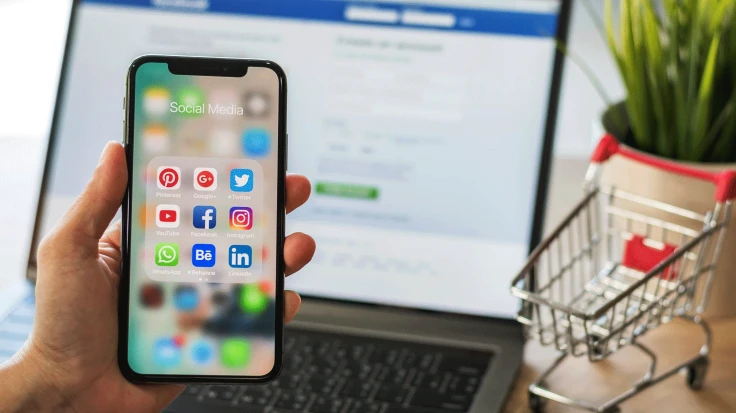

3 Hot Tips for Marketing on Facebook
- Pin your “Start Here” post + lead magnet. Make your pinned post the front door: who you help, your top 2-3 beginner guides, and a clear invite to grab your free checklist/template. This turns casual scrollers into subscribers you can nurture.
- Use short, honest videos. Share 15–30 second clips that show one result, one tip, or one feature in action. Add plain-English disclosures when you mention tools, and link to your full review so people can choose confidently.
- Stick to an 80/20 content rhythm. Aim for 80% helpful posts (tips, tutorials, mini case studies) and 20% thoughtful promotions (comparisons, limited-time deals). This keeps trust high and clicks steady.
Facebook affiliate marketing thrives on clear rules and honest communication. Build a helpful Facebook Page (and, if you like, a community-focused Group), share genuinely useful content on a steady cadence, and grow your email list with a simple, valuable free resource. When you run paid ads, send people to your own educational content first not straight to an offer - so they can learn, trust, and choose confidently. Keep the setup simple, the language plain, and the goal centered on helping people make good decisions.
Why Facebook is Still Worth Your Time
Facebook remains one of the largest places on the internet to find customers. Meta (Facebook’s parent company) reported 3.48 billion people using one of its apps daily in June 2025. That includes Facebook, Instagram, WhatsApp, Messenger, and Threads. Facebook on its own still has over 3 billion monthly users. Those are big numbers, and they mean that nearly any niche can find an audience here.
If you plan to use paid ads later, the potential reach is enormous. DataReportal reports Facebook’s potential ad reach was about 2.28 billion in January 2025, rising to roughly 2.36 billion by July 2025. Reach isn’t the same as active users, but it’s a clear signal of how widely your message can travel when your targeting and creativity are on point.

Are Affiliate Links Allowed on Facebook?
Yes. Facebook does not forbid affiliate links by default. What the platform does enforce are quality and honesty. Posts and ads that feel spammy, make unrealistic claims, hide the real destination, or send people to low-quality pages tend to get limited or rejected. The safest approach is simple: share honestly, be helpful, and only recommend products that genuinely fit your audience.
Just as important, you need to disclose your affiliate relationship whenever you recommend a product and may earn a commission. A short note like “This post contains affiliate links” or “I may earn a commission if you buy through my link” in plain language, placed close to your link, keeps you on the right side of the rules. This isn’t optional - the U.S. Federal Trade Commission (FTC) expects clear, easy-to-see disclosures for endorsements on social media.
Amazon Associates and other programs.
If you promote Amazon products, always follow Amazon’s current Operating Agreement. Amazon requires a specific disclosure line (for example, “As an Amazon Associate I earn from qualifying purchases”) and has rules about how and where you place links. Many affiliates also avoid sending Facebook ad clicks directly to Amazon product pages. Instead, they send clicks to a helpful article or comparison on their own website that contains Amazon links. This approach usually offers better tracking, better quality scores for ads, and fewer compliance surprises. Always check the current policy text inside Associates Central before you run a new campaign.
Your Simple Facebook Foundation
Think of your Facebook presence like a tiny shopfront. You want visitors to know, within seconds, who you serve, how you help, and where to go next.
Step 1: Create (or refresh) your Facebook Page
Use your brand name or a clear niche phrase people will recognize. Choose up to three categories that match your topic. Add a short description in plain language that explains the benefit readers will get from following you. Keep your profile image and cover image consistent with your website so people feel at home when they click through.
Step 2: Consider a companion Facebook Group
A Group is where back-and-forth conversations happen. Give it a straightforward name and a clear promise, such as “Budget Home Gym Tips for Beginners.” Pin a welcome post that explains the rules (be kind, no spam), how to ask questions, and where to find your “Start Here” resources. Groups can build trust quickly because members help each other, which makes your recommendations more natural and useful.
Step 3: Set up your “Start Here” post (and pin it)
Create one evergreen post that greets new visitors and tells them exactly where to go:
- A free resource (your lead magnet) to join your email list
- Your three most helpful beginner guides
- A gentle reminder that some links are affiliate links, with a one-line disclosure
Pin this post to the top of your Page so every new visitor sees it first.
Easy Search and Discovery Wins for Your Page
- Claim a clean URL once you’ve met Facebook’s requirements (for example, facebook.com/YourBrand). It’s easier to share and looks more professional.
- Write benefit-first updates. The first few words often decide whether someone stops scrolling. Lead with the outcome: “Beginner kettlebell plan: 20 minutes, 3 times a week.”
- Backlink your Page and Group. When you guest post elsewhere, ask to include a link to your website and a link to your Facebook presence. Over time, these links help more people find you.
Ten Free Ways to Use Facebook for Affiliate Marketing
These ideas do not require a cent in ad spend. They rely on steady, helpful posting and real conversation.
1) Make your pinned post work hard
Your pinned “Start Here” post is your front door. Keep it updated with your best evergreen content and your current lead magnet. Think of it like the “welcome” page on your site.
2) Grow with real people, not fake likes
Never buy likes. Instead, invite your email subscribers and website readers to follow your Page or join your Group. Promise something useful that exists only on Facebook - perhaps a weekly “Office Hours” live session or a monthly checklist. Real followers give you real data inside Facebook’s analytics, and that helps you create better posts over time.
3) Follow the 80/20 rule for content
Aim for 80 percent helpful and 20 percent promotional. Helpful content includes quick tips, checklists, simple “how I did this” breakdowns, or short stories about what worked for you. Promotional content includes a product comparison, a seasonal deals roundup, or a limited-time bonus. When you do recommend a product, add a plain-English disclosure right in the post.
4) Use strong visuals
Photos and short videos stand out in the feed. If you review a product, show it in your own space if possible. A simple 10- to 20-second clip that shows a feature or a before/after result is more convincing than a stock image. Clear visuals help people feel confident about what they’re buying.
5) Share your website content the right way
Do not just paste a link. Add a short explanation of what the reader will learn and how it helps them. For example:
“New guide: Build a $300 podcast setup that sounds pro - full parts list and wiring diagram.”
This gives people a reason to click and sets clear expectations.
6) Launch or nurture a niche Group
Groups can become the heart of your community. Use simple weekly themes to keep it lively - “Wins Wednesday,” “Question Friday,” or “Admin’s Pick: Deal of the Week.” Keep a “Recommended Tools” post in the Group’s Guides or Featured section, and update it monthly. When someone asks for a suggestion, answer honestly and link to your deeper review.
7) Post affiliate links sparingly - and always with context
It is okay to include an affiliate link in a post or in a comment, but do it thoughtfully. Explain who the product is for, which problem it solves, and what to expect. Add your disclosure near the link. In many cases it’s better to link to a review on your site so you can give the fuller story and support people who are deciding.
8) Partner with micro-influencers
Look for Pages or Groups in your niche with two to twenty thousand engaged followers. Offer a fair trade, such as sharing one of their best tutorials if they share your new checklist. The goal is to reach highly relevant people, not just bigger numbers.
9) Promote a simple lead magnet
Offer something genuinely useful in exchange for an email address. Keep it small and focused: a one-page checklist, a five-lesson email mini-course, a template, or a calculator. Share the link to your signup page on your Page and in your Group. Your email list lets you help people over time and make recommendations when they are ready.
10) Run straightforward contests
Pick a prize that fits your niche (not a general gadget that attracts everyone). Keep the rules simple and the timing short. Use a third-party tool for random selection and announce the winner publicly. This can bring in new people and energize your community - especially if the task to enter also teaches something (for example, “Share your tidy desk photo using three cable-management tips from our guide.”)
Facebook Live and Short Video Ideas That Build Trust
Live video and short clips help people feel like they know you. You do not need studio gear. Your phone and good natural light are enough to start. Here are formats that work well:
- Live Q&A. Gather questions during the week and answer them in one short session. After the live ends, edit the description to include timestamps and links to any products or guides you mentioned, with a clear disclosure.
- Five-minute tutorials. Tackle one problem at a time. “Fix the echo in your Zoom calls with this $15 item.”
- Mini-reviews. Show unboxing, the two or three most useful features, and who should not buy it.
- Before/after demos. Show the change people can expect. Results are memorable.
- Quick interviews. Talk to a practitioner in your niche for 10-15 minutes. Their audience may discover you when they share the replay.
Repurpose every live session. Cut it into short clips, turn highlights into a blog post, and use a few screenshots for a carousel. One good live session can fuel your content for weeks.
A simple ad strategy that respects your audience (and your budget)
You can do very well on Facebook without using ads. But if you choose to advertise, keep your approach modest and value-first. Instead of sending paid traffic straight to an affiliate offer, use this three-step flow:
Offer a truly helpful lead magnet
Give people something that solves a small but real problem today: a checklist, a starter template, a room layout diagram, or a five-day email mini-course. Make your promise specific and achievable.
Use a “bridge page” after signup
Once someone joins your email list, send them to a short thank-you page. Greet them with a 30-60 second video that explains what to expect in the next few emails. If appropriate, mention one or two products that extend the value of the lead magnet and link to your in-depth review. Add your disclosure directly below the link.
Follow up with a short welcome email series
Send two or three value-packed emails that help the new subscriber get results connected to the lead magnet. In a later email, introduce a product you personally use, explain why it helps, and link to your full review. This slow-and-steady approach earns trust and tends to convert better than a hard sell on the first click.
Why this works: Tracking has become more complicated across the web and on mobile devices. The most reliable path is to own the relationship (your email list) and use Facebook’s tools to measure and improve performance on your own pages. Meta recommends connecting both the Meta Pixel (the browser-based tracking code) and the Conversions API (server-to-server tracking) through Events Manager for more dependable reporting and optimization.
Practical Facebook Ads Tips for Beginners

You can run your first campaign with a modest daily budget. Keep things simple and focus on learning what your audience responds to.
Choose beginner-friendly objectives
If your goal is email sign-ups, start with Leads (using Facebook’s lead form) or Traffic to a very helpful post on your site. Once your tracking is working well, you can test a Sales/Conversions objective that optimizes for specific actions.
Build smart audiences
Create “warm” audiences of people who visited your site, watched a certain percentage of your videos, or engaged with your Page or Group. Then create lookalike audiences based on your email subscribers. This gives Facebook a model of the kind of person who is likely to value your content.
Structure a tidy test
Run one campaign with two or three ad sets, each aimed at a different audience. Inside each ad set, create three to five ads that all sell the same promise but use different formats (one image, one short video, one carousel). Start small, learn, and put your money behind the ad that gets you the most sign-ups for your budget.
Use the right health checks
Facebook no longer uses a single “relevance score.” Instead, you will see three diagnostics that help you understand why an ad might be underperforming: a quality ranking, an engagement rate ranking, and a conversion rate ranking. If quality is low, refresh your creative and improve your landing page experience, especially on mobile devices.
Make mobile your default
Most people browse Facebook on a phone. Keep your landing pages fast and easy to use. Use a single column layout, large tap targets for buttons, short forms, and clear, scannable text. This is good for people and usually leads to better performance in your ad diagnostics.
Write short, clear ad copy
Lead with the outcome your reader wants. For example: “Build a $300 home studio that looks and sounds professional.” Add one supporting proof point, then a single call-to-action such as “Get the checklist.” You do not need to write a novel in your ad. Your goal is to earn a click from the right person.
Test one change at a time
When you test, change only one thing such as the headline, the first line of text, or the thumbnail image - so you can see what actually caused the performance change.
Watch frequency
If the average person in your audience sees your ad too many times, results often drop. When frequency climbs and performance falls, refresh your creative, change your angle, or expand your audience.
Retarget gently
People who have already visited your site or engaged with your videos are more open to suggestions. Retarget them with helpful comparison posts, frequently asked questions, and limited-time bonuses that truly add value. Keep the tone friendly and respectful.
A Simple 30-day Plan to Get Moving
Week 1 – Set the stage
- Create or refresh your Facebook Page. Use a clear bio and matching visuals.
- Draft and pin your “Start Here” post with links to your lead magnet and top guides.
- If you create a Group, write a welcoming rules post and a “Start Here” thread.
- Brainstorm three ideas for a small lead magnet. Pick one and build a clean signup page.
Week 2 - Publish and connect
- Share five short, helpful posts (mix of text, image, and very short video).
- Host a 15-minute live Q&A with two questions you’ve collected from your audience.
- Post one mini-review with your own photos and a plain disclosure.
- Reach out to five micro-influencers for a fair content share or collaboration.
Week 3 – Measure what matters
- Install the Meta Pixel and connect the Conversions API in Events Manager (many website builders offer guided setups). This improves the reliability of your reporting and the way Facebook optimizes your ads.
- Create custom audiences: site visitors, video viewers, and Page engagers.
- Create a lookalike audience from your email subscribers.
Week 4 – Try a small, focused ad test
- Choose Leads (for a lead form) or Traffic (to a helpful post) as your starting objective.
- Build two or three audiences (interests, lookalike, warm).
- Test three creatives with the same promise (image, 10-15s video, carousel).
- Watch your quality, engagement, and conversion rankings to guide your next change.
- Write a three-email welcome series that gives real value before you make a recommendation.
Frequently asked questions (simple answers)
It is usually safer and more effective to send ad traffic to your own content first such as a useful guide or a comparison - then link to the product. This gives you better tracking, better user experience, and far fewer compliance issues, and it aligns with rules from programs like Amazon Associates.
Facebook replaced the single score with three diagnostics: quality, engagement rate, and conversion rate rankings. These help you see why an ad might be underperforming so you can fix the right thing.
If you care about accurate reporting and smarter optimization in 2025, yes. The Conversions API sends events from your server, which can be more reliable than browser-only tracking. Connect both in Events Manager if you can.
Affiliate marketing on Facebook is not a race or a trick. It is a practice: show up for your audience with honest help, explain your recommendations in clear language, and keep your promises. Start with a small, simple setup. Build a library of useful posts. Invite conversation. Offer a lead magnet that solves a real problem. When you are ready, test a small ad budget to reach more of the right people.
This is how you build trust - and trust is what turns clicks into customers.
Join the conversation
What niche are you in, and which step from this guide will you try first?
Share your lead magnet idea, your pinned post draft, a question about Pages/Groups/ads, or a tool you’re considering. Your comment can help others in the community learn from real examples and experiences.


Mark Ling


