


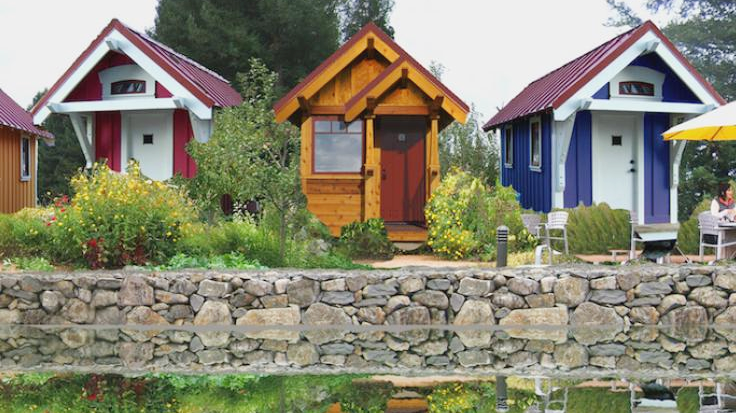
Quick-Start Hot Tips for Tiny House Affiliate Programs
- Lead With A Mini “Quick Answer.” In your first 150-200 words, give readers the bottom line (cost range, legal path, and one next step). Add a bold disclosure right there and link to 2+ merchants for any product you mention - trust and clicks both go up.
- Match Each Post To One Offer (Max Two). Don’t scatter links. If the article is about costs, feature plans and a budget calculator; if it’s about power, feature one battery + one solar kit. Fewer, clearer choices = higher conversions.
- Localize One Thing, Every Time. Add a small “Can I Do This Here?” box with a link to your state/city code page and one sentence on foundation vs. on-wheels rules. Readers feel seen, save your post, and come back when they’re ready to buy.
If you’ve ever watched someone tour a clever little cabin on wheels and thought, “I could live there,” you’re not alone and if you’ve ever thought, “I could build a business around this,” you’re absolutely my kind of reader. Tiny houses have grown from a quirky TV trend into a steady, values-driven movement powered by affordability, flexibility, and a desire to live with a lighter footprint. That’s great news for affiliate marketers. The tiny-home world is full of products people genuinely need - from floor plans and workshops to power systems, trailers, and complete turn-key builds and those products come with price tags that can translate into meaningful commissions.
Why The Tiny House Niche Still Works
Every year, housing costs seem to climb another rung. For many people, a traditional mortgage on a large home just isn’t the dream anymore. Tiny houses offer a different path: a home you can afford, maintain, and even move if life changes. Some buyers want a full-time residence. Others want a backyard studio, an accessory dwelling for family, or a rental they can place on their property. And a growing group simply wants to downshift: less space to clean, less stuff to store, and more time to live.
That blend of practical need and lifestyle choice is why tiny houses keep attracting attention long after the initial TV buzz. The search interest is steady. The community is active. The products are varied and, in many cases, high ticket. As an affiliate, you’re not selling impulse trinkets; you’re guiding big, thoughtful decisions. When you show up with trustworthy, people-first information, readers reward you with clicks, shares, and eventually commissions.
Who Buys Tiny Houses (And What They Actually Purchase)

It’s helpful to picture a few real people you might serve. There’s the couple in their thirties who wants to travel but keep housing costs low. They’ll be drawn to tiny houses on wheels, simple plans, and power systems that let them go off-grid. There’s the homeowner who wants a tidy studio in the backyard for a parent, a teen, or a side business; they’ll look at prefabricated shells, local permit guides, and financing. Then there’s the eco-minimalist who wants a cozy, efficient space and gets excited about insulation, solar panels, rainwater capture, and composting toilets.
Across those different buyers, you’ll see similar purchase moments. Early on, people buy education: eBooks, plan sets, and workshops that make the dream feel concrete. As they move forward, they shift to hardware: trailers, build kits, windows and doors, heating and cooling, and off-grid power. Some will decide to skip the DIY route and order prebuilt shells or finished homes. Others will pick a plan and manage a build themselves, buying tools and materials along the way. As an affiliate, you can be their guide through all of it - meeting them with the right resource at the right time.
The Money Side: What Commissions Look Like
In tiny-house land, “tiny” doesn’t mean small earnings. A single prebuilt home can cost as much as a new car. Portable power stations and solar kits often sit in the thousand-dollar range. Plan sets, workshops, and books are more affordable, but they convert well and help you build trust. Many programs pay somewhere between single digits and the mid-twenties percent depending on the product type. To keep yourself honest, always check current terms before you publish rates; programs change networks, tweak percentages, and run promos. Your goal is a healthy mix: a few big-ticket partners for occasional large commissions, plus steady bread-and-butter offers (plans, education, gear) that pay you regularly.
Tiny House Costs Today: The Straightforward Version Your Readers Need
Your readers will inevitably ask: “How much does a tiny house really cost?” Give them a clear range, then explain what moves the number. A very simple, DIY-leaning build can come in at a lower price if the buyer is patient, handy, and resourceful with reclaimed materials. Most turnkey tiny houses on wheels, built by reputable companies, land much higher - think car-to-SUV money - depending on finishes, off-grid systems, and delivery. Remind readers to include “invisible” costs like delivery fees, utility hookups if the unit is stationary, site work, and insurance. It’s not about scaring anyone off; it’s about being the trusted voice who says, “Here’s what owners actually pay.”
When you write cost posts, avoid vague estimates. Break things down by category - trailer, framing, insulation, windows, HVAC, cabinetry, power - and explain trade-offs. For example, spray foam insulation may cost more up front but save on heating and cooling. A simpler ladder might be cheaper than a staircase, but a staircase can make everyday living more comfortable. People appreciate seeing where the money goes and why.
Legal Basics Without The Headache
A lot of would-be tiny homeowners stall out on permits and rules, so your calm guidance here is gold. The core idea is simple: there are two broad paths. Some tiny homes sit on foundations and follow residential building codes. Others are on wheels and are often treated like RVs, which means different rules for parking and length of stay. There’s also a specific set of guidelines that was created to make sub-400-square-foot homes more practical within building codes. You don’t need to turn your site into a law library, but you can become extremely helpful by translating the basics into everyday language and linking to official pages your readers can check for their city or county.
One of the best pieces of content you can create is a plain-English guide to rules with a simple process: decide where you want to live, learn which category your home will fall into (foundation vs. wheels), find the relevant office that oversees those structures, and call them before you spend money. Add a friendly nudge to ask about inspections, parking limits, and anything special for utilities. Even if someone decides not to buy through your links right now, they’ll remember that your advice saved them time and headaches—and that trust is what drives conversions later.
Turning Searches Into Readers: A Human-First Keyword Approach
Google has made it clear in recent years: write for people, not for search engines. That works in your favor because the tiny-house audience is incredibly curious. They type specific questions like, “Can I park a tiny house in [my state]?” “What size trailer do I need?” “How do I heat a tiny home in winter?” “Which composting toilet actually doesn’t smell?” Your job is to answer clearly, honestly, and thoroughly.
An easy way to plan content is to map the tiny-house journey and list the questions at each step. When someone is just dreaming, they search for “cozy tiny house kitchen ideas,” “best loft stairs,” and “how much does it cost.” When they’re deciding, they look up “builder vs. DIY,” “financing a tiny house,” and “permitting in [city].” When they’re doing, they search for “how to install a mini-split,” “battery sizing for off-grid,” and “winterizing a tiny house plumbing.” If you publish helpful guides at each stage and link them together, you create a natural funnel that keeps readers on your site and moves them closer to purchase.
To keep things from feeling robotic, write like a friendly coach. Use short paragraphs, clear headings, and photos or simple diagrams where it helps. Avoid stuffing in synonyms to chase every possible keyword. If you answer the question well, you’ll naturally use the words people search for, and you’ll earn shares and links because your content actually helps.
The Blog Blueprint: Pages That Win Trust And Sales
Think of your site in layers. At the foundation, you’ll have evergreen posts that you keep up to date: a Tiny House 101 guide, a realistic cost breakdown, and a straightforward explanation of rules and permits. These are the anchor posts you’ll link to from everywhere else. On top of that, you’ll add decision-making guides: comparisons of builders, “shell vs. turnkey,” “THOW vs. foundation,” and “how to choose a power system.” Finally, you’ll publish how-to stories and test notes that prove your experience - installing a mini-split, running a real-world power test in winter, or fixing condensation with better ventilation.
If you can, add one or two simple tools: a budget calculator that totals line items and a power needs calculator that estimates how big a battery or solar setup someone might need. Tools get saved, shared, and revisited. They’re also great places to add helpful product links without being pushy.
Affiliate Programs You Can Realistically Work With
Here’s a quick, skimmable snapshot of the affiliate categories that tend to convert in the tiny-house niche. Use it to plan your first offers, map content ideas, and make sure every post points to something genuinely helpful (with clear, upfront disclosures).
| Category | Why They Convert | Content To Write | NPro Tip |
|---|---|---|---|
| Plans, Books, And Workshops | Low commitment, instant delivery; perfect for dreamers taking the first concrete step. | “Plan Reviews For Beginners,” “Workshop Notes: What I Learned,” “5 Plans That Make Loft Stairs Safer.” | How To Link Ethically: Add a short disclosure near the top, then link in context - after you’ve explained who the plan fits and why. |
| Prebuilt Homes, Shells, And Kits | Big decisions need guidance; your comparisons and interviews reduce buyer risk. | “Shell Vs. Turnkey: Costs, Timelines, And Comfort,” “Builder Interviews: Lead Times, Warranties, And Insulation Choices.” | Partner Tip: Some builders run public programs; others prefer referrals by email. Keep a Partners page and update it quarterly. |
| Power And Off-Grid Essentials | Every build needs reliable power; demand spikes with seasons and promo periods. | “How Much Battery Do You Need For Winter?,” “Real-World 24-Hour Off-Grid Test,” “Mini-Split + Solar: What Actually Works.” | Helpful Angle: Use real loads (cooktop, fridge, laptops) and show the math so readers can copy your setup confidently. |
| Bathroom And Water Solutions | Honest install guides ease fears around odor, venting, and freezing. | “Composting Toilet Venting That Actually Works,” “Greywater Basics For Tiny Spaces,” “Winterizing Water Lines.” | Retail Flexibility: If a brand lacks an affiliate program, link to trusted retailers that stock the same models. |
How To Write Product Content That Doesn’t Feel Salesy
Treat every review as a service. Start with the problem a product solves. Explain who it’s for and who should skip it. Share anything you’ve tested yourself and note what you haven’t. Include your own photos or short clips whenever possible - even a simple smartphone shot of a latch, a vent, or a control panel goes a long way. Where you don’t have hands-on experience, be clear about that and link to reputable sources.
Comparison posts do well when they feel like a friendly kitchen-table conversation. “If you’re wintering in a cold climate, Model A’s better insulation matters. If you’re staying coastal and care about salt resistance, Model B’s hardware is worth the upgrade.” You can of course include tables, but even those should be easy to read. When you add affiliate links, disclose early, use plain language, and make sure there’s more value on the page than there are buttons.
Getting Traffic Without Burning Out
Visual content drives a ton of tiny-house discovery. Pinterest, Instagram, and YouTube are natural channels. The trick is to use them to feed your blog, not replace it. Short videos - like a 30-second loft tour, a “before/after” storage hack, or a quick winterization tip, are perfect for social, and each one should point back to a deeper article on your site where readers can slow down, learn, and click.
On Pinterest, create boards that match common searches: small kitchens, loft stairs, Scandinavian tiny interiors, off-grid setups, and seasonal ideas like “cozy winter tiny homes.” Save both your images and high-quality third-party inspiration (always credit), and make sure the pins that are yours lead to posts with substance. On YouTube, add chapter markers to longer videos so viewers can jump to the part they care about and find the related blog post in your description.
Email is your quiet superpower. Offer a simple freebie - “Tiny House Cost & Permit Planner (2025)” works wonderfully - and follow up with a short, friendly sequence. Think of it as a walking tour: week one is about budget choices, week two is about rules, week three is about heating and power, and week four is a builder vs. DIY decision. Each email links to your best articles and a relevant product or partner. No hard sell. Just help.
A Simple, Honest Look At Potential Earnings

People love numbers, so here’s a realistic way to think about them. Imagine you publish a detailed guide comparing a few portable power options for tiny homes. If that article brings in a couple thousand readers a month and only a small percentage click through and buy, you can still see a few sales on high-ticket items. Combine that with plan sales from your “Best Tiny House Plans For Beginners” post and an occasional builder referral from your “Shell Vs. Turnkey” article, and you’ve diversified your income across different price points. You won’t win the lottery overnight, but you’ll build steady momentum that compounds as your content library grows.
The key is patience and consistency. Update your cost posts each quarter, refresh specs when products change, and revisit your top tutorials to make sure they’re still accurate. When readers see that your content stays fresh, they keep coming back - and that long-term relationship is the real engine of affiliate income.
Staying Fair And Transparent
- Disclose Clearly And Early
- Add a short note near the top of reviews and comparisons: “We may earn a commission if you buy through our links - at no extra cost to you.”
- Keep a site-wide disclosure in your footer and a simple “How We Make Money” page you can link anytime.
- Show Real Experience
- Include your own photos, quick clips, and notes - even small details like noise levels or ease of cleaning.
- If you haven’t tested a product, say so and explain how you evaluated it (manuals, owner feedback, trusted sources).
- Be Reachable And Correctable
- Add an author bio, a contact link, and a “Last Updated” stamp.
- If something changes (prices, specs, rules), update the post and add a one-line note about what you changed.
- Offer Choices, Not Ultimatums
- Whenever possible, link to at least two merchants so readers can compare price and shipping.
- Spell out who a product is not for. That honesty earns more trust than any superlative.
Your 90-Day Plan
Month 1: Lay The Groundwork
- Publish Tiny House 101, a realistic Cost Breakdown, and a Rules & Permits Explained guide.
- Create a free Cost & Permit Checklist PDF and invite signups.
- Write Two Plan Reviews with real pros/cons and who each plan suits.
Month 2: Help With Decisions
- Post a Regional Builder Comparison with notes on lead times, insulation, and warranties.
- Publish Shell Vs. Turnkey (long-form), then a follow-up story from a real owner.
- Release a Beginner’s Power Guide with simple math for winter vs. summer usage.
Month 3: Power Up Promotions
- Build Pinterest Boards (10 boards × 12 pins) linking back to your posts.
- Film Short Helpful Clips for social (storage hacks, winter tips, quick tours).
- Record Two Interviews (one builder, one plan designer) and turn them into blog posts.
A Few Friendly Reminders Before You Hit Publish
Keep paragraphs short and readable. Use photos generously, even if they’re not “perfect.” Try to include one small personal note in each post - a mistake you made, a tool you ended up loving, a trick for making loft beds feel safer. When you compare products, offer at least two retailers so readers can choose the best deal. When a reader asks a question you don’t know the answer to, say “I’m not sure, but here’s how I’d find out,” and then go find out. The warmth and honesty you show will do more for your rankings and revenue than any clever hack.
Above all, remember why people are drawn to tiny houses in the first place. They want more freedom, more peace, and a home that fits their life - not the other way around. If your content helps them move toward that life with confidence, you’ll build a business you can be proud of.
Tiny houses might be small, but the opportunities around them are not. Approach the niche as a helpful guide, not a hype person. Share what you learn, be clear about how you earn, and keep your readers’ best interests at the center of everything you publish. Do that, and those pocket palaces can bring you big, steady payouts - without ever feeling like you sold out the dream.
Your turn: What’s the next tiny-house topic you want help with - costs, permits, power, or plans? Drop your thoughts and questions in the comments box below.
Make $10,000 per month as an affiliate?

Mary Ann Tordecilla


Elio Mondello • 11 years ago
It's good even to make 10% on an item that is worthy 20000$.
Many thanks
Elio
Melissa Johnson • 11 years ago
Tumbleweed does sell prefab tiny homes on wheels, and offers a 10% commissions for trailers. However, I didn't come across any other affiliate programs for companies that sell the homes. They may exist -- or they might exist in the future, but they didn't come up in my searches.
From what I've seen, a lot of Tiny Home owners do choose to build it themselves, sometimes with the help of other tiny home owners, at least with my local movement. This is a niche where information is going to be most valuable, because people will have a LOT of questions -- from how to downsize their possessions before they move to the best space-saving storage solutions to the best sustainable options for heating/cooling/plumbing, everything else.
Tim Kleinhuis • 7 years ago
I think there are sites or wordpresss plugins that can create an affiliate option for businesses.
Drabuziu Taisymas • 9 years ago
James Lee • 8 years ago
Thank you very much,
James Lee
Andrea • 3 years ago
Jodi Wright • 7 years ago
• 2 years ago
• 2 years ago
• 2 years ago